
THE ENDANGERED SANTA CLARA WETLANDS
The lower Colorado River plays an important role in the migratory pathways of birds that winter in the southern United States and serves as the gateway for those species continuing south into Mexico. Although not extensively studied, the delta’s significance for migratory birds is indisputable, as it is the principal freshwater marsh in the region. A total of 358 bird species have been documented in the Colorado River Delta and upper Gulf of California region. From these, two are listed as endangered, six as threatened, and sixteen are under special protection in Mexico. Two wintering species and five breeding species have been locally extirpated, including the Southwestern Willow Flycatcher, the Fulvous-whistling Duck, and the Sandhill Crane.
 birdcount
The delta supports a variety of wildlife, including several threatened and endangered species. Mexico’s Environmental Regulations on Endangered Species lists the following endangered species found in the delta:
• the Desert Pupfish, also listed as an endangered species in the U.S., the largest remaining population anywhere is in La Ciénega de Santa Clara
• the Yuma Clapper Rail, also listed as an endangered species in the U.S.
• the Bobcat
• the Vaquita porpoise, the world’s smallest marine cetacean, listed as a species of special concern by the U.S. Marine Mammal Commission. There are less than 250 vaquita left in the world.
• the Totoaba, now virtually extinct, a steel-blue fish that grows up to seven feet and 300 pounds and once supported a commercial fishery that died in 1975
• the Colorado Delta Clam, once an extremely abundant species and important in the ecosystem.
• The delta of the Colorado River is one of the major desert-river estuaries of the world and contains the largest wetland ecosystem in the Sonoran Desert.

Much of the delta has been converted into irrigated farmland; but approximately 250,000 hectares of unconverted delta land, too low for drainage and too saline for agriculture, still exists at the southern end of the delta in Mexico. Within this area lies the Cienega de Santa Clara, the largest brackish wetland habitat in the lower delta. This wetland is about to undergo major alteration in flow and salinity of input water due to activation of the Bureau of Reclamation’s Yuma Desalting Plant in Arizona.
• Prior to the construction of Hoover Dam and other upstream water diversions, the majority of the delta was lushly vegetated with an estimated 200 to 400 plant species I as well as numerous bird, fish, mammals. The Cienega de Santa Clara may be the largest wetland bird habitat left in the Delta long known for its higher concentrations of Yuma Clapper Rails and Pupfish than known elsewhere. Both species remain on the endangered list. Mexican officials have also expressed interest in cooperating to protect the delta wetlands where the diminished river trickles into the Gulf of California.

mouth of the Colorado River at entrance to the Gulf of California
The lower Colorado River also separates two great deserts, the Mojave on the California (western) side and the Sonoran on the Arizona (eastern) side. Over the eons the River has served as a genetic barrier, separating both sides as well as isolating species that can’t swim across the river or fly across the desert, limiting the development of subspecies in the region.
Birds of the Colorado http://www.pinesandprairieslandtrust.org/CRR_Bird_List.htm
Colorado River Nature Center http://www.azgfd.gov/outdoor_recreation/wildlife_area_co_river_nature.shtml


 Los Angeles Canal built in 1930-31

 Glenn Morales fertilizes CAP water on the San Xavier Farm south of Tucson.
 aerial view of the US-MEXICO BORDER showing Colorado River Water in the ALL AMERICAN CANAL and the irrigated Imperial Valley and note the lands south of the border-the empty lands of Mexico.
 MILTON COLEMAN from YUMA Says the BLUEGILL fish he catches is the “best-eating” fish he catches in the All AMERICAN CANAL…
 Alfredo
 cervantes
 field irrigation
 for sale
 Waverunners with California backdrop
 Arizona Shoreline north of Parker


 CALIFORNIA Sunrise
 ARIZONA River houses

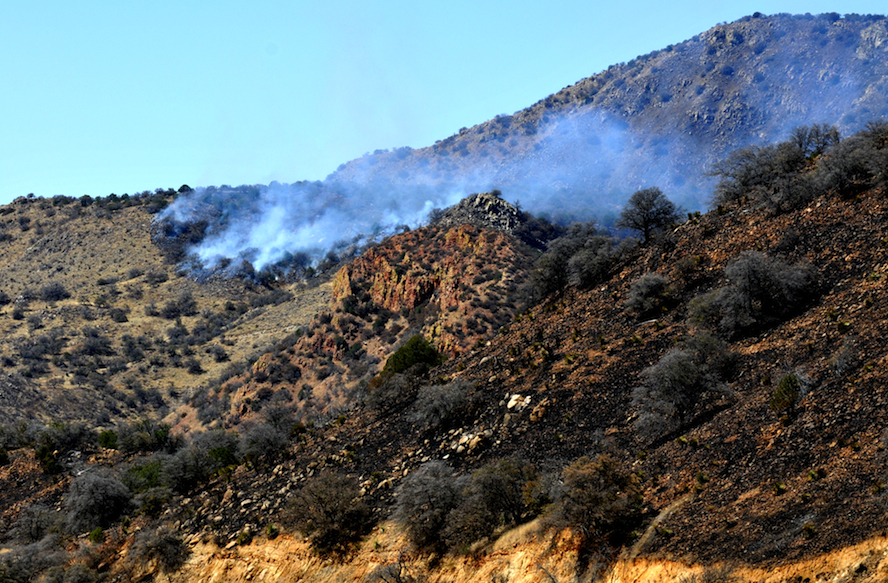
 Tight view of the DUKE FIRE burning northeast of Nogales AZ” alt=”” />
 <img src="
  ” alt=”Couple from the Old South” />
 ” alt=”Cannon Fire Shakes Your Teeth…”
  ” alt=”Some kids never Grow Up” />http://pkweis.photoshelter.com/gallery/CIVIL-WAR-in-the-SOUTHWEST/G00007jkvJMt6A54
 ” alt=”Ft Huachucha’s B Troop at Picacho Peak” />
 ” alt=”Gary Eichholtz” />


 “> The 15 acre grounds are crowded by tropical plants, particularly fruit trees, which attracted lots of local boys who ventured onto the grounds to gather fruit. Hemingway was impressed by the local boys ability to throw rocks and knock the fruit free from the high trees. Wanting his sons, to mix more with the locals, Hemingway started a baseball team which he coached and he provided gloves, bats, uniforms, his sons played and neighborhood kids filled out the roster. The team took on challengers from all over Havana and soon, the players who heard Hemingway’s sons call Ernest “Papa”, they too called him “Papa”, in fact, so did their parents and so did the teams they played against. That’s when he became known as “Papa”. Still Papa is remembered fondly and still appreciated for his tale “OLD MAN AND THE SEA”, a literary masterpiece which the Revolution adopted as an omage’ to the Cuban People and still the Cuban people love him. Today you can have your photo taken at the El Floridita Bar on Obispo street, in Old Havana where the novelist Ernest Hemingway spent many hours drinking his favorite Daiquiri’s and today a bronze Hemingway sits there still where almost all the tourist get their picture taken with the famous Pulitzer prize winning, Nobel Prize winning writer as he holds court at the famous bar. In Key West, Florida the Conch Republic’s parallel is “SLOPPY-JOE’S”, a downtown corner bar where each July they have the annual “Papa Hemingway” LOOK-A-LIKE Contest, where one year the winner didn’t even have a beard, last year’s winner, a barber from Mesa, AZ, did sport a fine beard. As you walk around the two homes, look in the closets, bookcases, wall hangings, view the photographs, numerous animal heads, African decor, you know this is the home of a restless individual, someone always getting ready to go somewhere else or going off to explore new lands. Its true his depression drove his mood, so did his health and he was a man’s man to whom fear was a stranger and he died in the autumn of his life…


 <a href="
 “><a href="
 “><a href="
 “><a href="
 “><a href="
 ”
” 24 HOURS IN THE OLD PUEBLO’S 12th Year WILL BE REMEMBERED AS THE “WINDY YEAR” Wind gusts over 25 mph early Saturday blew several bikers into cactus and many were sporting cholla spines as they navigated the 16.1 mile course around Willow Springs Ranch about 45 miles north of Tucson. 1850 riders turned out for the running Lemans Race Start, perhaps 5-6,000 people including volunteers, spectators, deputy sheriffs, paramedics, search and rescue settled at the base of Black Mountain in southern Pinal County not far from the World famous Biosphere in what is known as “24 Hour Town” which each years springs up to support this epic sporting event.
  The track record is 58 minutes for the 16.1 miles and traditionally this event is plagued by challenging weather, each year has its trademark, this year wind, other years, rain, mud, snow or biting cold, Sunday morning usually brings more sober faces and the kidding is often gone as solo riders wind out their string trying to ride for 24 solid hours and the relay teams who trade off in this huge tent set up on the track and used for the finish.
 How do you take a chunk of desert, drop 5000 people on it and the next minute search and rescue is picking up women spectator on hillsides with a broken foot. Pima County deputy sheriff patrol the 24 Town on quads but today was Windy and wiping people hard, a real hat chasing afternoon with promise of rain.


 Havana Cuba is anything but a sleepy tropical community, it’s a huge city has been built next to the Atlantic Ocean over the past Five Hundred Years, ever since Christopher Columbus landed or 491 years ago construction began and continues today. This huge natural harbor on leeward side of the island was the logical place to begin the city and as it grew across the flat plains it finally hit the river which is now the City Park and itself newly restored from the once toxic dump to the serene focus of this riparian district. Havana itself, is constantly being renovated, Plaza Viejo and its surrounding communities,


 in the 1980-1990’s were in ruin and no place for smart people to hang out. Today Plaza Viejo, is the crown jewel of the Tourism community, nice restaurants, planetarium, microbrewery with beer bongs, live bands, primary school and the renovation spreads out from the square, you can see the reconstruction cross the street and move down the street. Cuba is literally rebuilding the entire city. In a Police State or Communistic community it easier, no one owns anything–so you just move folks to transitory housing–and as new renovations come available move people in to accomodate their needs. CLICK ON PHOTOS FOR CUBA SLIDESHOW




 SOUTHWEST PHOTO JOURNAL